Trump Administration Reports Increased Shipping Activity as Iran Talks Continue
Trump Administration Reports Increased Shipping Activity as Iran Talks Continue
Officials Say Traffic Is Beginning to Return to Strait of Hormuz While Negotiations Move Forward
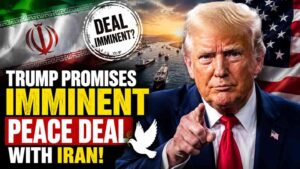
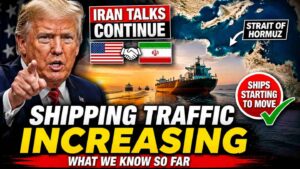
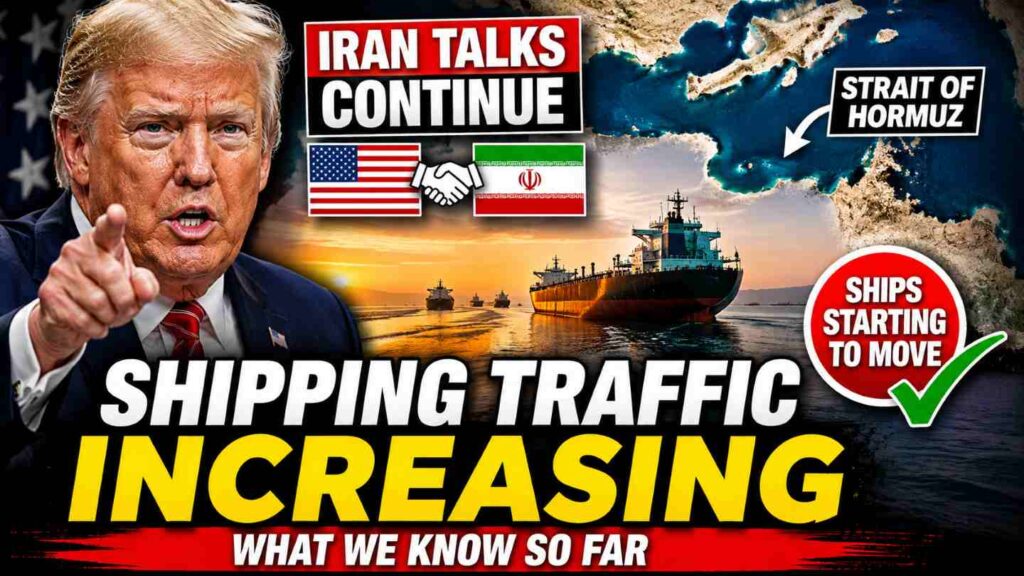
The Trump administration says commercial shipping activity is beginning to increase in the Strait of Hormuz as negotiations with Iran continue, though key details of a proposed agreement between the two countries have not yet been publicly released.
The developments come as President Donald Trump traveled to Europe for meetings with world leaders at the G7 Summit, where foreign policy and global economic stability remain major topics of discussion.
During a Fox News broadcast, administration officials pointed to early signs of increased maritime traffic and easing energy prices as indicators that diplomatic efforts may be reducing tensions in one of the world’s most strategically important waterways.
Strait of Hormuz Plays Critical Role in Global Trade
The Strait of Hormuz serves as one of the most important shipping lanes in the world, handling a significant portion of global oil and natural gas exports.
Recent disruptions in the region contributed to concerns about energy supplies, shipping delays, and higher fuel prices. As a result, governments, energy markets, and international businesses have closely monitored developments affecting traffic through the narrow waterway.
President Trump stated that ships had begun moving through portions of the route, while Vice President J.D. Vance said early signs suggested increased traffic was already returning to the area.
According to administration officials, reopening the shipping corridor remains one of the primary objectives of ongoing diplomatic efforts.
Proposed Agreement Remains Largely Unknown
Although administration officials have discussed a memorandum of understanding between the United States and Iran, the full contents of any proposed agreement have not been publicly released.
Officials speaking during the broadcast indicated that discussions could involve future negotiations regarding Iran’s nuclear program, sanctions policy, compliance verification, and regional security issues. However, many of the reported provisions remain unconfirmed until official documents are released.
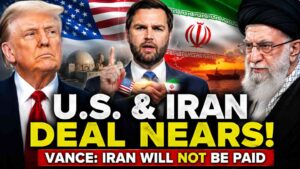
Vice President Vance said any long-term agreement would require commitments related to Iran’s nuclear activities and verification procedures designed to ensure compliance.
At the time of the broadcast, no complete text of the proposed framework had been made available to the public.
Debate Continues Over Potential Impact
The reported progress has generated differing reactions among political leaders and foreign policy observers.
Supporters of the administration argue that economic pressure, military deterrence, and diplomatic negotiations have created favorable conditions for a new agreement. They contend that reopening the Strait of Hormuz could help stabilize global energy markets while reducing regional tensions.
Others have urged caution, noting that important questions remain unanswered regarding enforcement mechanisms, sanctions relief, and the long-term durability of any future agreement.
Several commentators referenced comparisons to the Obama-era Joint Comprehensive Plan of Action (JCPOA), though many analysts say it remains too early to determine how any new arrangement would compare to previous agreements.
Shipping Industry Expects Gradual Recovery
Even if shipping activity continues to increase, industry experts suggest that a full return to normal operations could take time.
According to information discussed during the broadcast, hundreds of vessels remain in the region following recent disruptions. Shipping analysts have noted that delayed cargo movements, scheduling backlogs, and supply-chain adjustments may require weeks or months to fully normalize.
As a result, market observers caution against expecting immediate changes throughout the global shipping system.
Energy Markets Respond to Developments
One area already showing signs of movement is the energy market.
Oil prices have eased from recent highs amid reports that tensions in the region may be decreasing. Lower crude prices often contribute to reduced fuel costs for consumers, although retail gasoline prices can take additional time to reflect changes in wholesale energy markets.
Administration officials highlighted the decline in energy prices as evidence that investors are responding positively to reports of increased stability in the region.
Market analysts, however, note that energy prices remain influenced by numerous factors beyond developments in the Strait of Hormuz alone.
Looking Ahead
Attention is now focused on whether additional details regarding the proposed U.S.-Iran framework will be released in the coming days.
Until official documents become public, many questions remain regarding the scope of the negotiations, enforcement provisions, sanctions policy, and future nuclear discussions.
For now, administration officials are emphasizing what they describe as early signs of progress, including increased shipping activity and easing energy prices, while observers await further information about the potential agreement and its long-term implications for regional stability and global commerce.
#DonaldTrump #IranTalks #StraitOfHormuz #MiddleEastNews #OilPrices #EnergyMarkets #WorldNews #Geopolitics #InternationalRelations #GlobalTrade